

HOW TO SWITCH - SHOTGUN

The Basics:
Know what your shotgun can and cannot shoot, i.e. is it a lead only barrel?
Pattern your shotgun.
Familiarize yourself with the lead-free alternatives and best applications for each.

Shotgun Patterning
No matter how long you have been shooting, patterning your shotgun is as important as sighting in your rifle.
“Our downright insistence is that everyone pattern their shotguns. It’s true woodcraft, a win for you and a win for the birds, really. Not only do we encourage patterning to understand exactly what you and your shotgun are capable of at a chosen distance, it’s one of many intelligent ways to lower the staggering number of birds lost to crippling each year.”
— Lee Kjos, SLF Advisory Council Member
Step-by-Step Guide to Patterning:

STEP 1:
Cut paper or cardboard into roughly 48” x 48” targets.
In the middle of the target, draw a large dot to aim at.
This gives you enough room to see your pattern even if your point-of-aim is off a bit. If it’s off, it’s no big deal. It’s normal.

STEP 2:
Start at 30 yards. It’s a good starting point.
Shoot off-hand, NOT on a bench. Nobody shoots game off a bench.
Shoot the target.
Shoot another target at 40 yards or whatever distance fits your style of hunting.
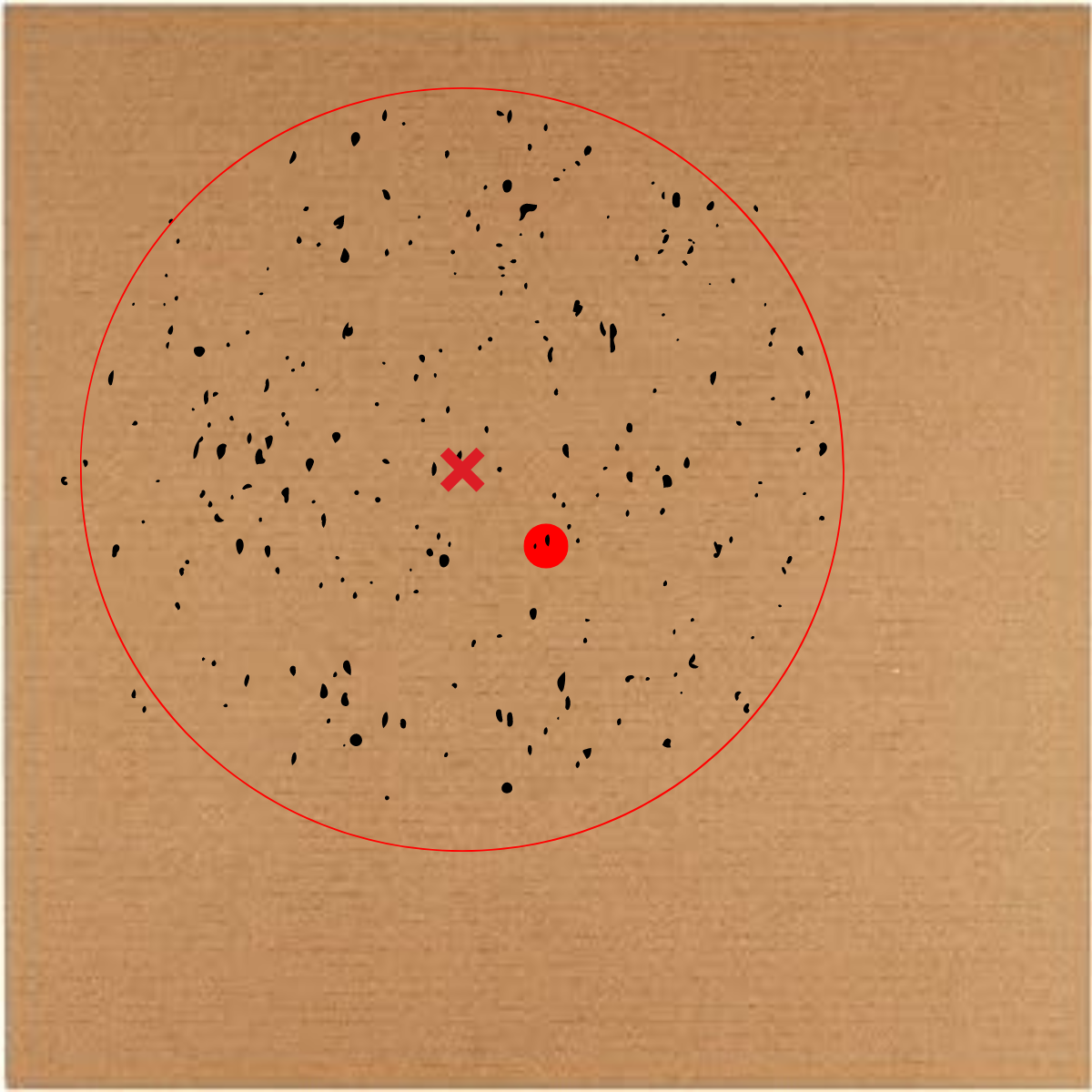
STEP 3:
Draw a 30” circle around the densest part of the pattern and mark the hits with a marker. Now do the math (we promise you can do it).
Divide the number of pellets in the shell (check with your manufacturer if it’s not listed on the box) by the total number of hits in the 30” circle.
Move the decimal point two places and that’s your percentage of pellets in the “kill zone”.
This will change as you try your different chokes at different distances.
Shotgun Pellet Alternatives
Many hunters have been skeptical about the effectiveness of lead-free shot for hunting/shooting purposes and compliance, when measured, is often poor. However, where field trials comparing lead and steel shot have been conducted, no differences were found in a number of measures, including the number of birds killed per shot or wounded per shot (Pierce et al., 2014).
All shotguns can shoot lead-free alternatives to lead, but certain shotguns can only shoot certain alternatives, and it’s important to know which works with your firearm. Shotguns with a “lead only” barrel CANNOT shoot steel shot loads. They can, however, shoot bismuth and copper-plated bismuth. So, if your grandparent gifted you their vintage “lead only” shotgun you can still hunt lead-free! If you are ever unsure about the safety of lead-free ammunition in a particular shotgun, contact the manufacturer or a gunsmith. We’ll go through each lead-free alternative and any necessary adjustments when switching.


-
STEEL
Steel is less dense than lead, so to use it most effectively you need to go up by at least two shot sizes. For example, if you would use a lead #5 for shooting ducks, you should use a steel #3. Current guidance when using standard steel shot is to shoot no tighter than half choke. Using tighter than half choke risks damaging the barrel. Modified and Improved Cylinder chokes are the most recommended choke constrictions when hunting upland game with lead-free ammunition.
Most shotgun shell manufacturers have a steel shotshell line.
-
BISMUTH/COPPER-PLATED BISMUTH
Bismuth is as soft as lead, but 86% as dense, so it is advised that you increase your shot size by at least one. Due to its softness, bismuth tends to pattern much the same as lead and therefore no action is needed when choosing choke constrictions.
Manufacturers of bismuth shotshells include: Boss Shotshells, HEVI-Shot, Kent, Browning, Federal Premium, Fiocchi, and Rio.
ATTENTION: Many manufacturers now make copper-plated lead. These are NOT lead-free!
-
TUNGSTEN
Tungsten is more dense than lead, because of this, loads can be smaller than lead shot. Please check your state’s turkey hunting regulations for minimum and maximum shot size restrictions. Tungsten is often more expensive than lead, steel, and bismuth ammunition. Tungsten is a great alternative for turkey, predator, and pig hunters because these game animals often offer limited shooting opportunities, making the price a little easier to swallow compared to using tungsten for upland or waterfowl hunting.
Manufacturers of tungsten shotshells include: Boss Shotshells, HEVI-Shot, Kent, Federal Premium, Rio, Fiocchi, Apex Ammunition, Salt Creek Ammo.
Wounded Birds
It is estimated that between 10–20% of gamebirds are wounded and unretrieved and can have embedded lead pellets in their body.
Wounded birds become easier prey for eagles and other raptors. As a raptor consumes their prey, they can unintentionally eat the lead embedded in the wounded gamebird.


Grit Pickers
Many birds use grit to aid in digestion. Grit can be stones, sand, gravel, pebbles, and unfortunately, spent lead shot.
One study determined that 1,900–2,400 metric tons of lead shot is potentially deposited across North America annually from dove hunting alone (Haig et al. 2014).
Birds that ingest lead become weakened and are the first to get picked off by hawks, eagles, and owls.
Raptors can easily consume the entire lead-filled gamebird gizzard.
WHY MAKE THE SWITCH?

