
Confused in the Ammo Aisle?
SLF Ambassador Rebecca Jones Breaks Down the Barriers to Buying Lead-Free and Non-Tox Shot
Buying Non-Tox/Lead-Free Ammo: AKA “Why is this so confusing?”
The first time I went to buy non-tox ammo, I felt like I’d accidentally walked into a chemistry exam I did not study for. I walked in thinking, “I’ll just grab some shells real quick.” I walked out 40 minutes later, clutching a box like it was the Hope Diamond and whispering, “please let this be right,” while questioning every single life choice that led me to that moment.
If you have ever stood there blinking at terms like bismuth, steel, shot size, and FPS—wondering if you should call a friend or just lie down—you are not alone. And to be clear: I am NOT an expert. I am just someone who has bought the wrong stuff, asked a lot of questions , and, yes, had more than one “oh…that’s why” moment in the field.
So here is my regular-person-trying-to-figure-it-out guide. Honest and hopefully helpful.
First things First: Why Lead-Free Ammo? I’ll keep this part short and very simple.
It protects birds and other animals, especially the scavenging kind, from ingesting lead, which can lead to some pretty bad outcomes for the creature
It’s required in many places, especially for waterfowl
It’s safer for dogs and people in the field with fewer lead fragments where noses, paws, and hands tend to end up (check out my other blog post about this and why I know all about it personally!!!)
Modern non-tox works and you don’t have to sacrifice performance or effectiveness anymore
Whether you agree, disagree or are still learning, if the regulations say non-toxic, non-toxic it is. Nobody wants fines. Or lectures. Or both.
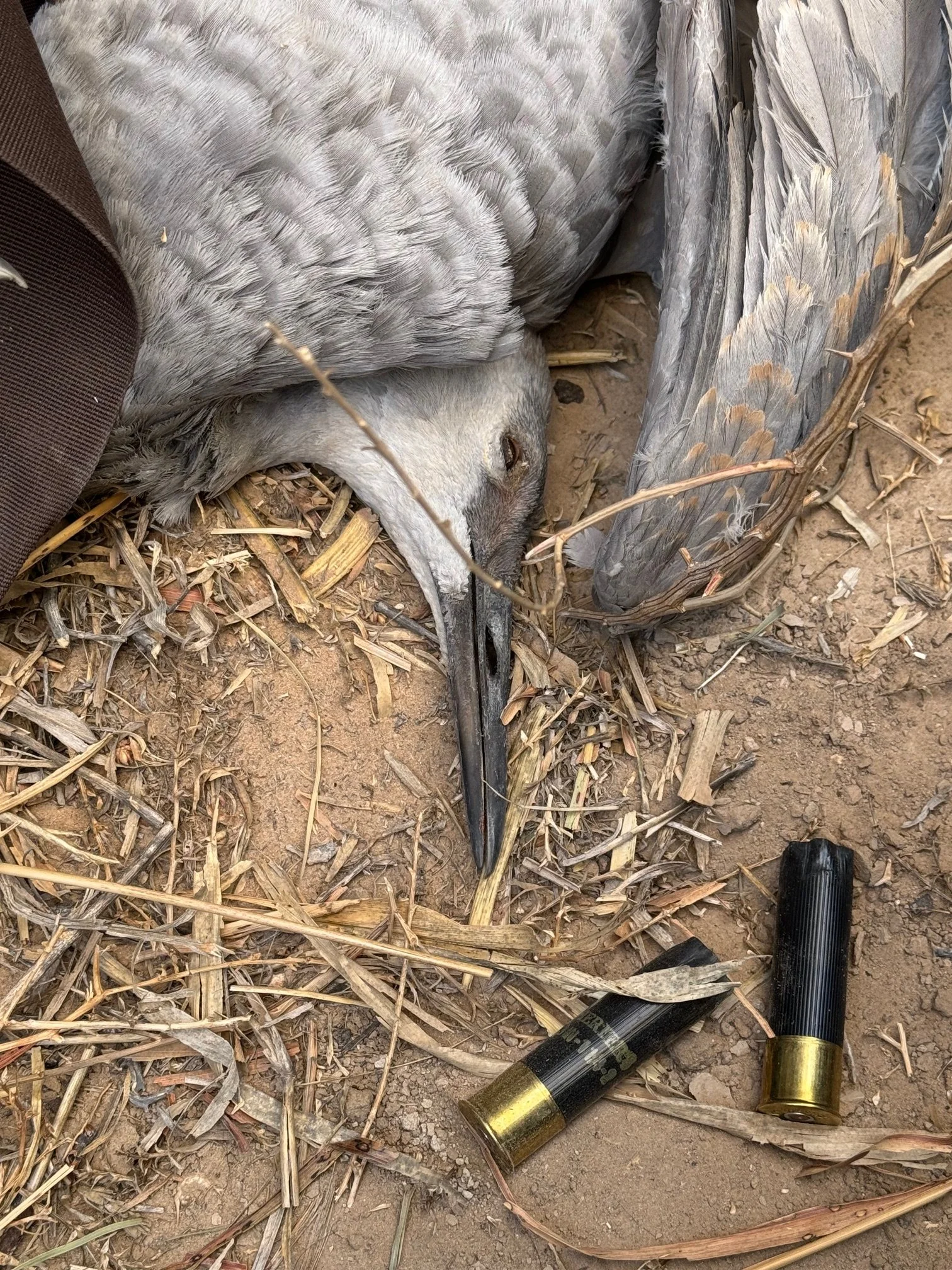
Second things Second: The Questions I Wish I Had Known to Ask
Firearms: What gun am I shooting and what does it safely handle? Turns out that not all guns handle every kind of lead-free ammo. I have a penchant for beautiful vintage side by side shotguns and I learned the hard way that the barrels of these vintage masterpieces were not rated for steel. Old guns can be picky so you have to respect them and what they like to eat. And not all new guns are rated for steel either. You need to ask your seller or go to the manufacturer pages and ask “Is my shotgun rated for steel? Should I use Bismuth instead? Is there anything I should avoid with this gun?”
Targets: What am I hunting? Different birds, different mammals, different distances, different shells. Hopefully we all know that dove is not equal to duck, teal is not equal to goose and clay targets are not equal to literally anything with feathers. Knowing these differences matters for shot size, the non-tox material and the velocity.
Shot Size: What shot size do I really need? I think this was my personal meltdown moment, especially as I realized that it changes based on the material type. I actually have a drink koozie (thank you HerUpland) that became my cheat sheet early on. But rough guide (and not gospel), steel is lighter so I usually go with a bigger sized pellet than lead. Bismuth is a little closer to lead in terms of density (and denser than steel which helps with better energy down range that steel) so I typically stay around the same shot size as I use when shooting lead. Copper is the newer kid on the shot-block with a density in-between steel and bismuth. I have been going a size bigger with copper as I have found performance (patterns and penetration) is a little closer to bismuth based on my experience and what I’ve read (and my old guns are cool with it). Tungsten is basically tiny flying anvils and mostly it’s your wallet that will notice that one (and the turkeys).
The question I ask myself is “If I shoot X in lead, what should I grab in non-tox for the same style of hunt?”
Distance: How far am I really shooting? The key word here is realistically and not if everything lines up perfectly and I become Annie Oakley for five seconds. Distance changes the pellet size, the pattern and ethical shot choices, so I ask “Most of my shots will be around ____ yards. What should I run for that?”. (And trust me that I’m not shooting far. I like my birds to come down close and unalive).
The law: What does the law require where I am hunting? Remember that state laws vary. Refuges and some private lands have their own rules. I was hunting in a state way up north, moving between State Trust land and DU land, and there was no way I was risking the wrong shell in my pocket on the wrong land because nothing kills the mood like a game warden explaining your bad decisions back to you. Check first and then double check.
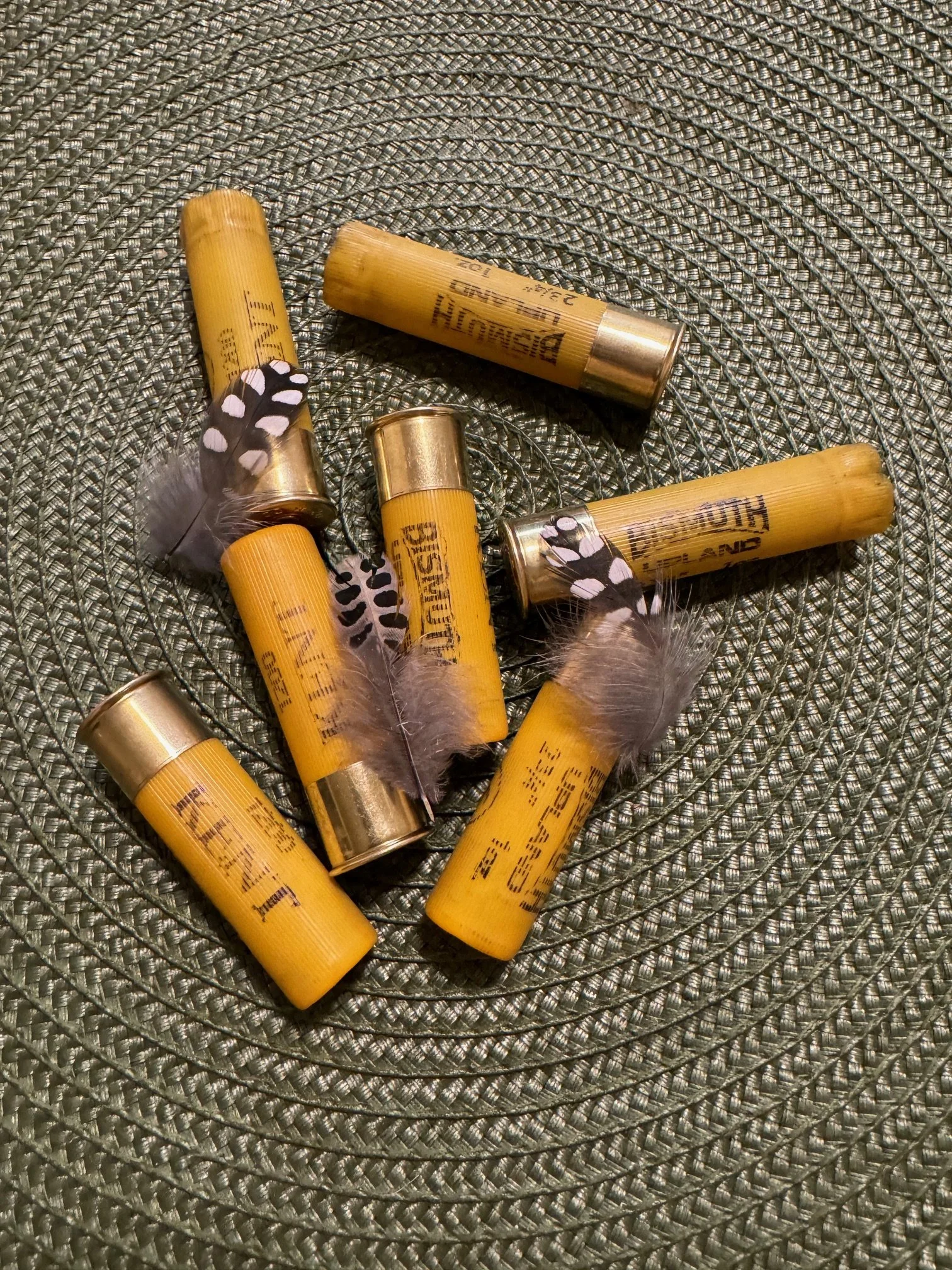
My Top 5 “Demystify the Madness” Cheat Sheet
(also known as, the post-it-note I would hand to myself in an ammo aisle).
Steel is lighter, so go up in shot size. (If I normally shoot 7.5 lead for dove, I would be looking at 6 steel or maybe a 7 bismuth).
Bismuth behaves more like lead. It’s pricier but feels familiar and gentler on my old guns
Speed matters but not ‘race car’ matters. Something to remember is that the higher the FPS, the higher the recoil, and this might contribute to inconsistent patterns so try balanced instead of ‘max everything.’
Patterning the gun is not optional homework. Get your box, go to a board and shoot! This will save birds, frustration, your shoulder and your ego.
If you are lost, find the person behind the counter and say this magic sentence “I’m learning and I’d rather ask than buy the wrong thing.” Maybe because I’m in Texas, but I have found that people light up when you say that. Hunters love to talk gear (sometimes too much, you might want to bring snacks).

Last things Last – Confusion is Normal!!
If you have ever felt silly standing there, remember that you are not silly. The ammo aisle was clearly designed by engineers, lawyers and possibly a sandhill crane that holds a grudge. I’m still learning, I’m still asking questions and I will definitely still text a picture of a box to a friend who knows more than I do and ask “This…yes?”.
And to be honest, that’s the whole point! We hunt because we care, we choose lead-free because we care, and we ask questions because we care. And every confusing box on the shelf is part of that journey.
If this helps, or if you have your own “oh wow, I bought the wrong shells” story, we want to hear it. I think we are all still figuring it out, one box at a time. I am for sure!
For More Information on Switching to Lead-Free Shot, check out our How-To-Switch - Shotgun Page.
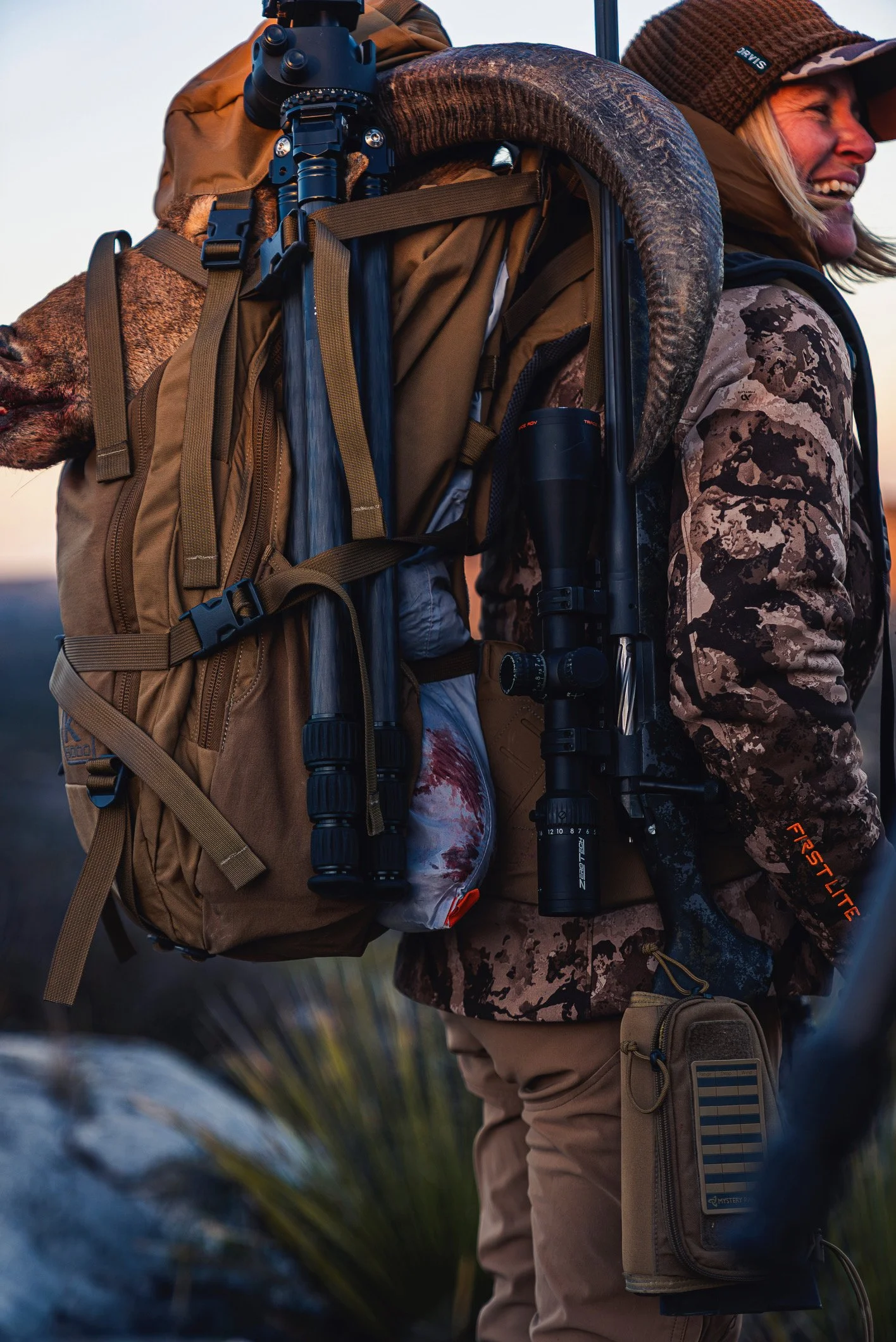
-SLF Ambassador Rebecca Jones (Texas)